Dental Check-Up vs. Dental Cleaning: What’s the Difference?
A dental check-up and professional teeth cleaning serve different purposes. Find out what happens at each appointment and why both can be important for your oral health.
A dental check-up and professional teeth cleaning serve different purposes. Find out what happens at each appointment and why both can be important for your oral health.
When was your last dental appointment?
If you’re like many people, you may think that a dental check-up and professional teeth cleaning are basically the same thing. After all, you sit in the dental chair for both, right?
Not quite.
A dental check-up and a professional dental cleaning serve different purposes. One focuses on finding and diagnosing potential problems, while the other focuses on removing plaque, tartar, and surface stains that regular brushing can’t completely eliminate.
Understanding the difference can help you make better decisions about your oral health and know what to expect when visiting a dentist in Dubai.
What Happens During a Dental Check-Up?
A dental check-up is essentially an assessment of your overall oral health.
During your appointment, your dentist will examine your teeth, gums, and surrounding tissues to look for signs of existing or developing problems.
Depending on your individual needs, your dentist may check for:
- Tooth decay and cavities
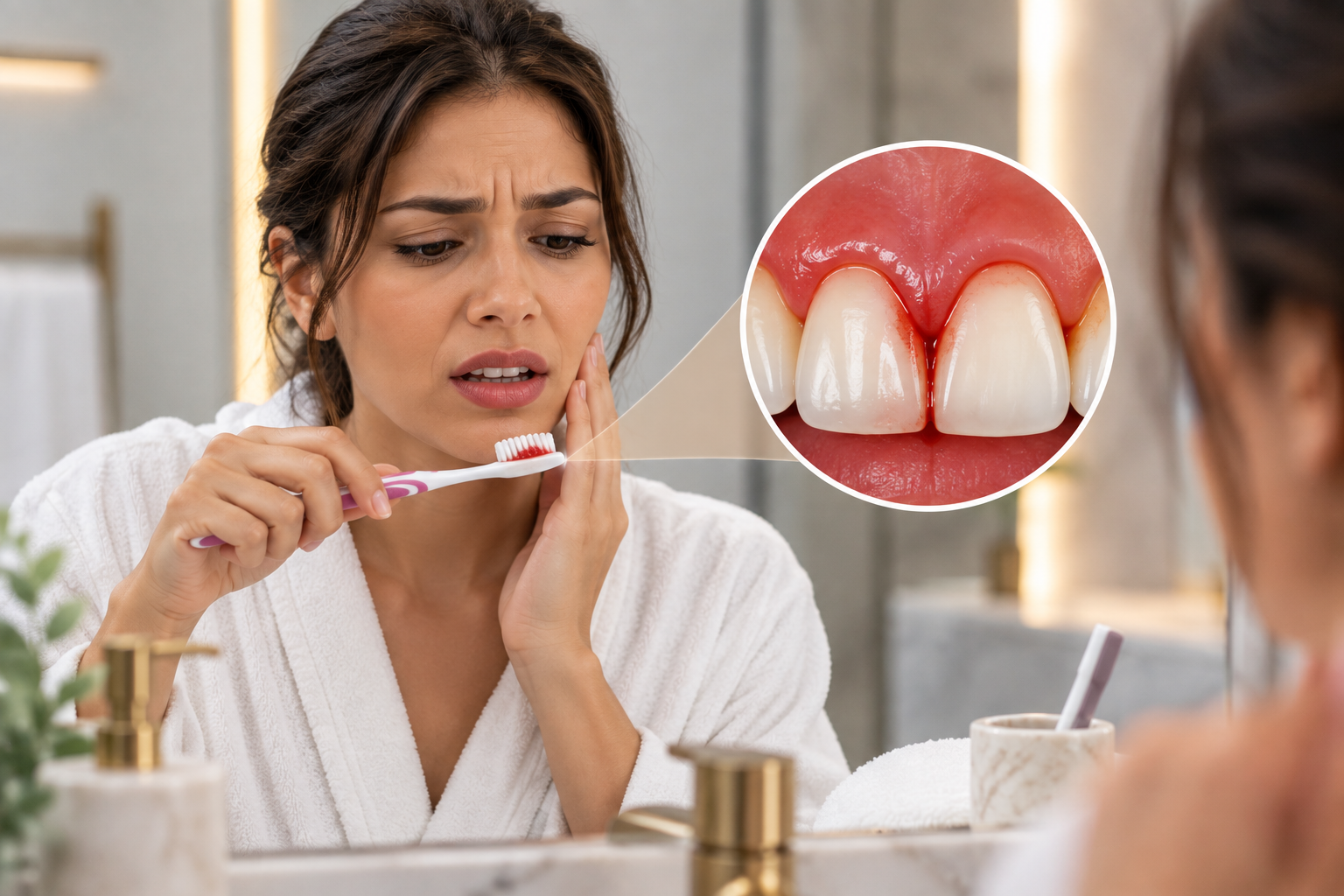
- Gum inflammation or gum disease
- Damaged or worn fillings
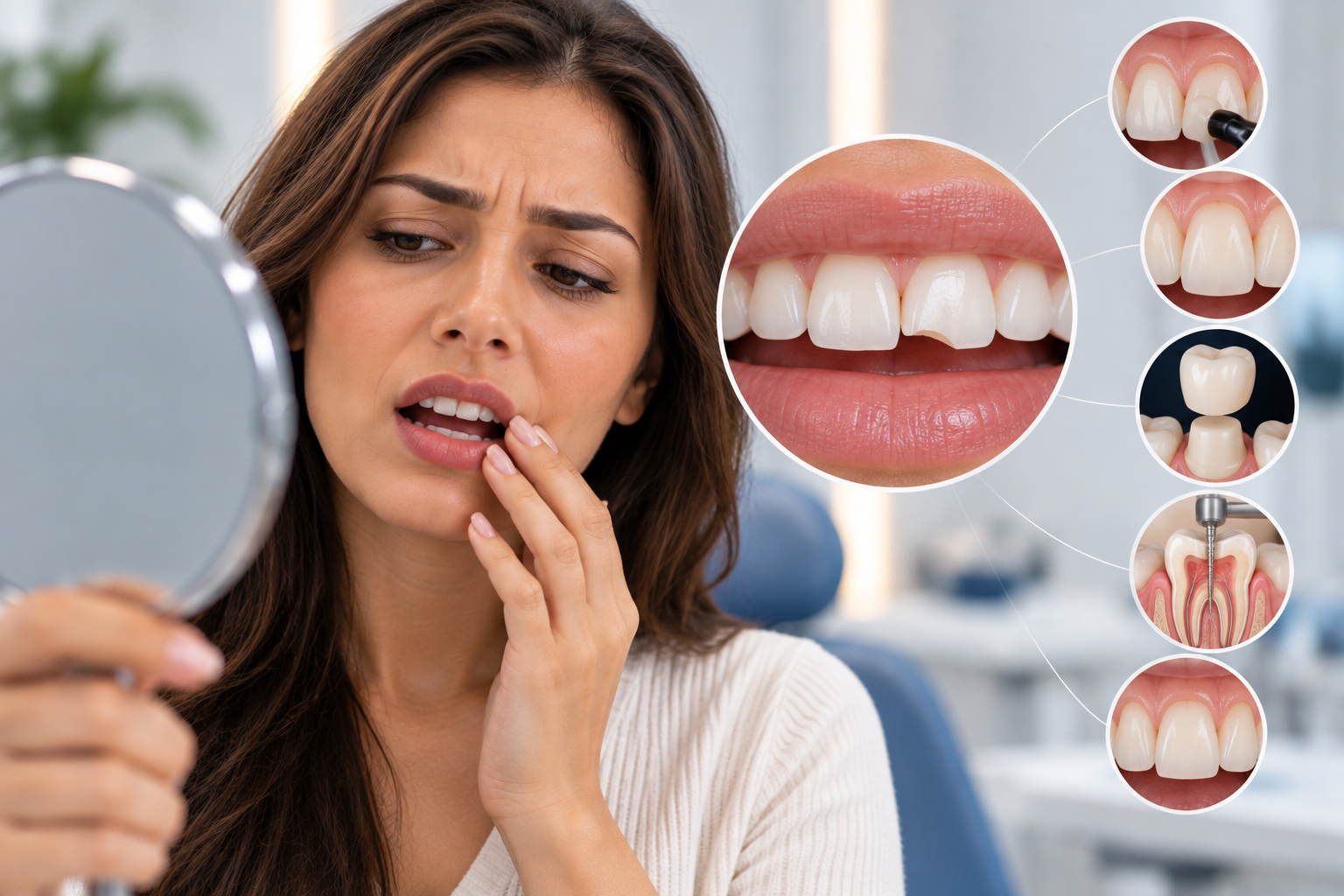
- Cracked or broken teeth
- Tooth sensitivity
- Signs of infection
- Dental wear or grinding
- Bite and alignment problems
- Other abnormalities inside the mouth
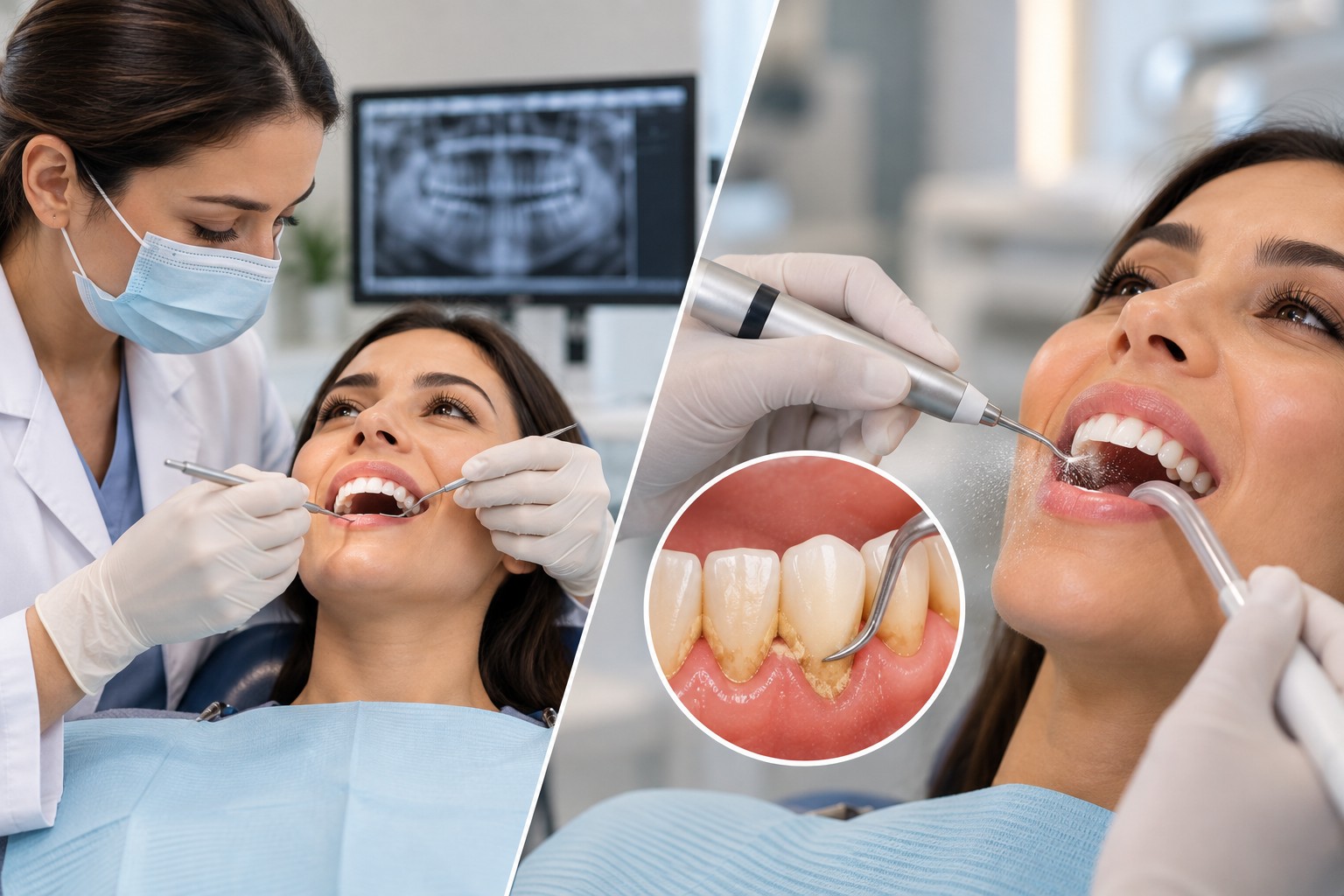
Dental X-rays or other diagnostic imaging may also be recommended if your dentist needs a closer look beneath the surface.
The purpose isn’t simply to find something wrong. Regular check-ups allow your dentist to identify small problems early, when treatment may be simpler and less invasive.
What Happens During Professional Teeth Cleaning?
Professional teeth cleaning is different.
Even if you brush twice a day and floss regularly, plaque can accumulate in areas that are difficult to reach. Over time, plaque can harden into tartar, also known as calculus.
Unlike soft plaque, tartar cannot be effectively removed with a regular toothbrush.
During a professional cleaning, a dental professional removes plaque and tartar buildup from your teeth, particularly around the gumline and between difficult-to-reach areas.
Depending on the treatment, the teeth may then be polished to remove certain surface stains and leave them feeling smoother and cleaner.
Professional cleaning can help reduce plaque buildup and support healthier gums, while also giving your smile a fresher appearance.
Why Do You Need Both?
This is where the difference becomes particularly important.
A cleaning doesn’t replace a dental examination.
Imagine having your car washed without checking whether the engine has a problem. It may look cleaner, but you haven’t necessarily checked whether everything is working properly.
The same principle applies to your teeth.
A professional cleaning can remove plaque and tartar, but it cannot diagnose every dental problem or repair a cavity.
A dental check-up allows your dentist to examine your oral health and determine whether additional treatment is needed.
For many patients, having both services as part of their preventive dental care routine is the best approach.
Can Dental Cleaning Remove Cavities?
No.
This is a common misconception.
A professional cleaning can remove plaque, tartar, and some surface staining, but it cannot remove or repair a cavity.
A cavity is an area of tooth decay caused by the breakdown of tooth structure. Depending on its stage, treatment may involve monitoring, preventive care, or a dental filling.
If decay has progressed deeper into the tooth, more extensive treatment may be necessary.
This is another reason why a dental check-up in Dubai is important. Your dentist can identify decay that may not be visible or causing pain yet.
Why Isn’t Brushing Enough?
Brushing is one of the most important things you can do for your teeth—but it isn’t the whole picture.
Your toothbrush cannot always reach every surface of every tooth. Areas between teeth, along the gumline, and around certain dental restorations can be particularly difficult to clean.
Plaque that remains in these areas can eventually harden into tartar.
That’s why a complete oral hygiene routine should include:
- Brushing twice a day with fluoride toothpaste
- Cleaning between your teeth daily
- Regular dental examinations
- Professional cleaning when recommended
Think of professional cleaning as an extra layer of protection—not a replacement for brushing at home.
How Often Should You Have a Check-Up and Cleaning?
There isn’t one schedule that works for everyone.
Many people benefit from regular dental examinations approximately every six months, but your dentist may recommend a different frequency depending on your oral health.
You may need more frequent visits if you:
- Have a history of cavities
- Have gum disease
- Wear braces or orthodontic appliances
- Have significant plaque or tartar buildup
- Smoke or use tobacco
- Have certain medical or dental risk factors
Your dentist can recommend a schedule based on your individual needs rather than relying on a one-size-fits-all approach.
What Should You Expect During Your Appointment?
If you’re nervous about visiting the dentist, knowing what happens can make the experience much easier.
Your appointment may begin with a discussion about any symptoms or concerns you’ve noticed.
Your dentist will then examine your mouth and may recommend X-rays or other diagnostic tests if necessary.
If a cleaning is scheduled, the dental professional will remove plaque and tartar before polishing your teeth.
You may notice that your teeth feel smoother and your mouth feels fresher afterward.
If your dentist discovers an issue, they’ll explain what they’ve found and discuss your treatment options with you before proceeding.
Don’t Wait Until Something Hurts
One of the biggest mistakes people make is visiting the dentist only when they have pain.
Unfortunately, some dental problems can develop quietly. A small cavity or early gum disease may not cause obvious symptoms initially.
Regular check-ups allow your dentist to identify potential problems before they become painful or require more complex treatment.
Preventive dentistry isn’t just about avoiding discomfort—it’s also about protecting your natural teeth and potentially reducing future treatment needs.
Book Your Dental Check-Up and Cleaning in Dubai
A dental check-up and professional teeth cleaning aren’t the same treatment, but they work together to support a healthy smile.
At RUH Al Barsha Dental Clinic, our dental team provides comprehensive examinations, professional teeth cleaning and polishing, preventive care, and a wide range of restorative and cosmetic dental treatments.
Whether you’re overdue for your routine check-up or simply can’t remember the last time you had a professional cleaning, we’re here to help you understand what your smile needs.
Book your dental appointment at RUH Al Barsha Dental Clinic today and give your teeth and gums the professional care they deserve.
Your symptoms need an individual assessment.
Dental symptoms can have more than one cause. A dentist may need an examination, X-ray or scan before deciding which treatment is appropriate.
Learn more before your consultation.
Explore the relevant treatment guide for suitability, common reasons patients ask about it, the care journey and questions to discuss with your dentist.
Explore Treatment Guides