Tooth Sensitivity to Hot or Cold? 7 Possible Reasons Behind It.
Hot coffee or cold drinks can trigger sharp tooth sensitivity. This guide explains common causes, including exposed dentin and dental decay, and when to arrange a dental examination.
Hot coffee or cold drinks can trigger sharp tooth sensitivity. This guide explains common causes, including exposed dentin and dental decay, and when to arrange a dental examination.
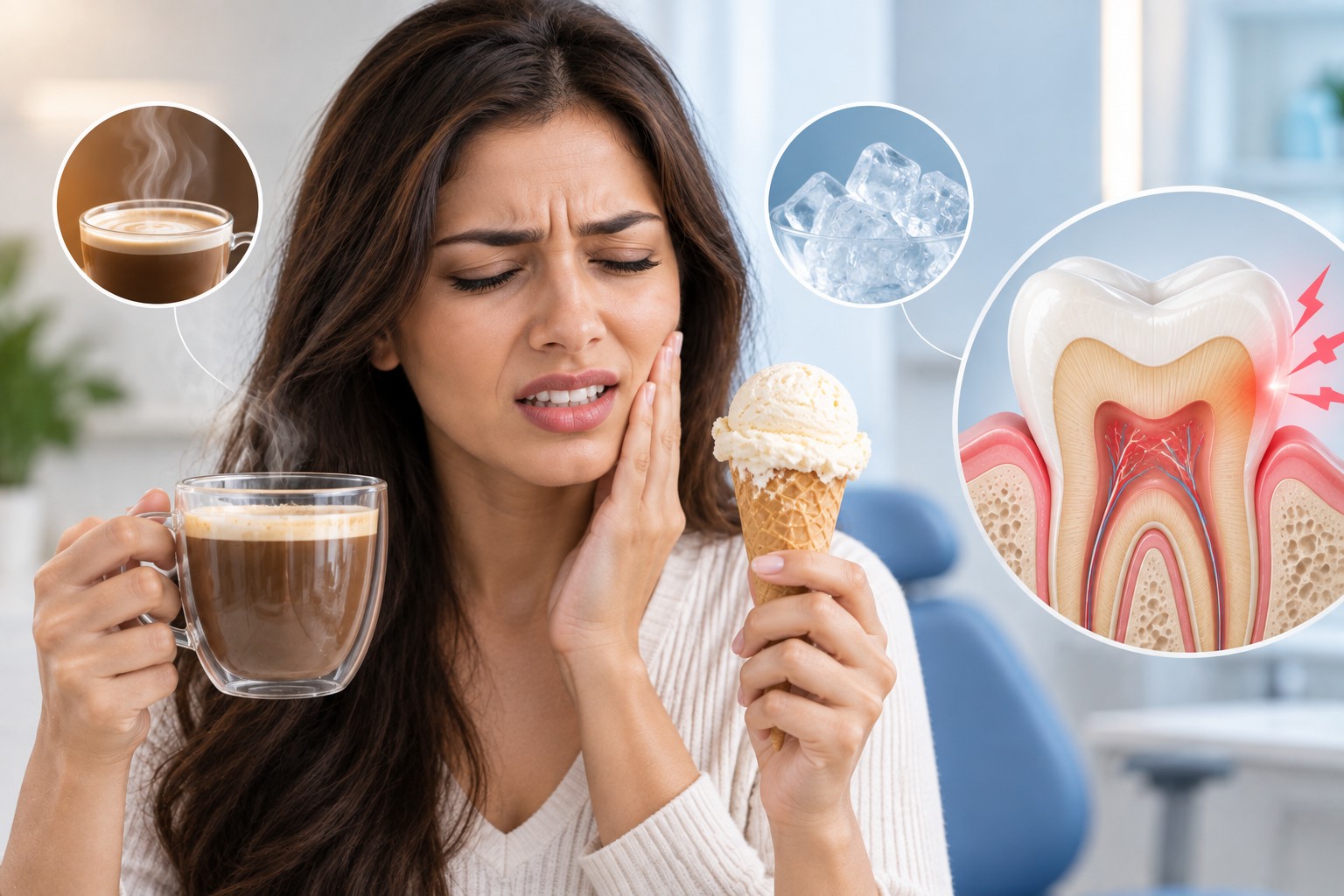
Have you ever taken a sip of hot coffee and felt a sudden sharp pain in one of your teeth? Or perhaps biting into a cold ice cream makes you wince for a few seconds?
You’re not alone. Tooth sensitivity is a common dental complaint, and it can range from a mild, occasional annoyance to a sign that something needs professional attention.
While sensitivity doesn’t always mean there’s a serious problem, persistent or worsening discomfort shouldn’t be ignored. There can be several reasons why your teeth react to hot, cold, sweet, or acidic foods.
If you’re experiencing sensitive teeth in Dubai, here are seven possible causes and what you can do about them.
1. Enamel Erosion
Your tooth enamel is the hard outer layer that protects the more sensitive layers underneath. Unlike some tissues in the body, enamel doesn’t naturally grow back once it has been significantly worn away.
Acidic foods and drinks, frequent snacking, fizzy drinks, aggressive brushing, and acid reflux can contribute to enamel erosion.
As enamel becomes thinner, the underlying dentin can become exposed. Dentin contains tiny channels that can transmit temperature sensations toward the nerve, resulting in that familiar sharp “zing.”
What can help?
Reduce frequent exposure to acidic foods and drinks, use a soft-bristled toothbrush, and avoid brushing immediately after consuming acidic foods or beverages. Your dentist can also assess the degree of enamel wear and recommend appropriate treatment.
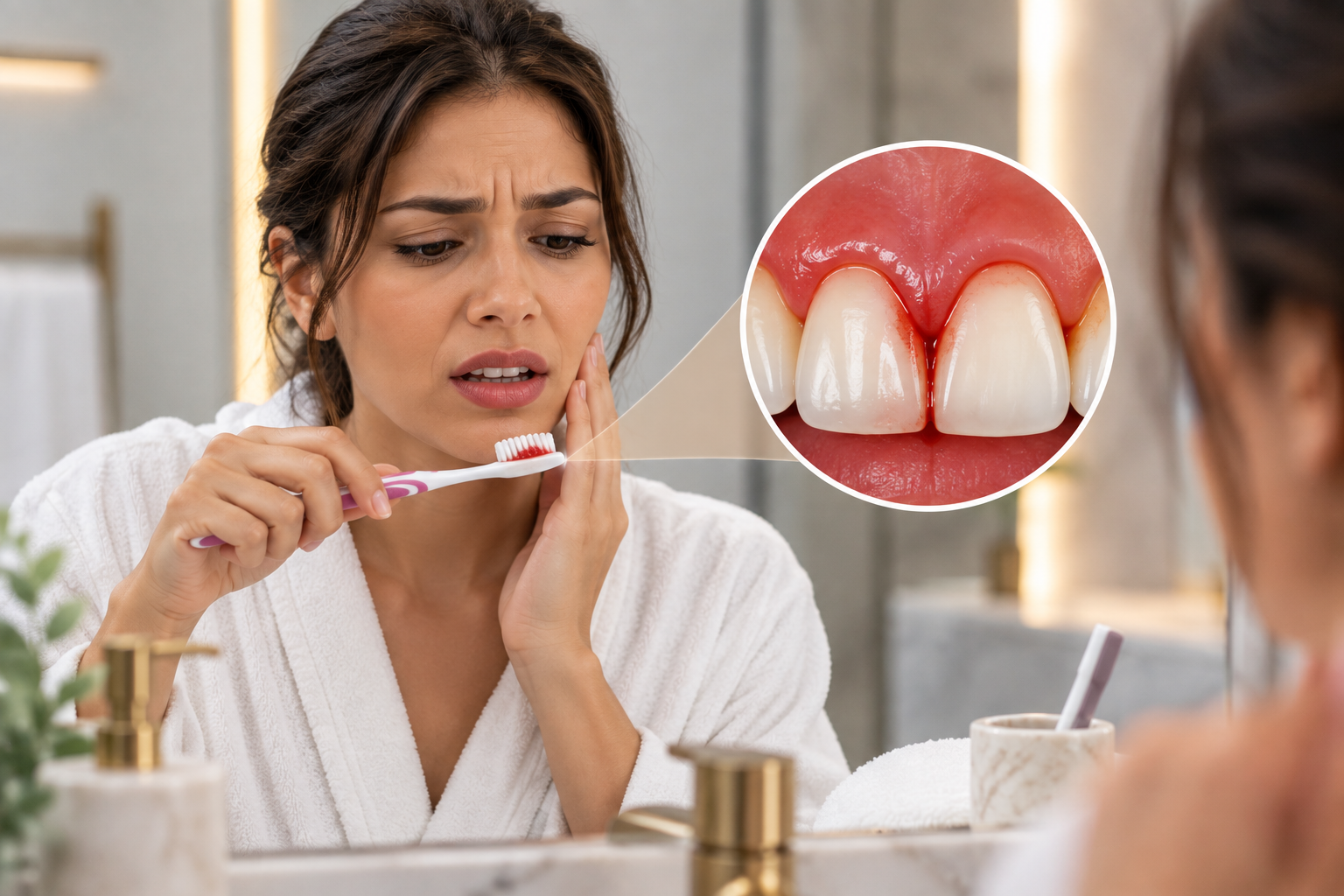
2. Gum Recession
Your gums help protect the roots of your teeth. When gums recede, parts of the tooth root can become exposed.
Unlike the crown of your tooth, the root doesn’t have the same protective enamel covering. This can make exposed areas particularly sensitive to cold drinks, hot foods, and even brushing.
Gum recession can be associated with gum disease, aggressive brushing, naturally thin gum tissue, or other factors.
If you notice that your teeth appear longer than before or you can see a little more of the tooth near the gumline, it’s worth having your gums checked.
3. Cavities
Sometimes sensitivity is your first clue that you have a cavity.
As tooth decay progresses through the enamel and dentin, hot, cold, sweet, or acidic foods may trigger discomfort.
Early cavities don’t always cause obvious pain, which is why regular dental examinations are important.
If sensitivity occurs repeatedly in the same tooth, particularly if you also notice pain when chewing or a visible dark spot or hole, arrange a dental examination.
A small cavity may be treated with a filling. If decay has progressed deeper, more extensive treatment may be required.
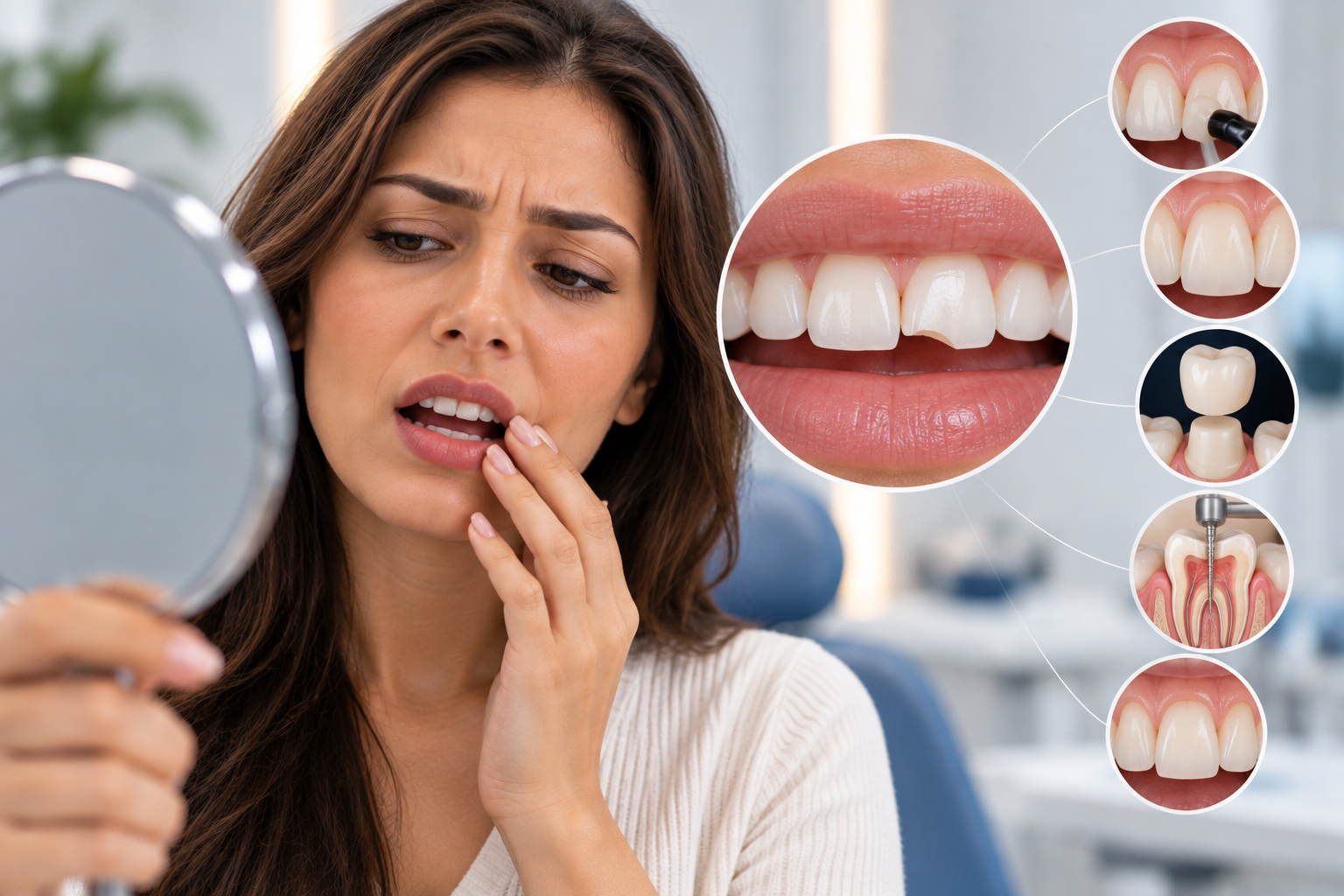
4. Cracked or Damaged Teeth
A cracked tooth can cause unusual and sometimes unpredictable sensitivity.
You may experience pain when biting down or when releasing your bite, as well as sensitivity to hot or cold foods.
Not every crack is easy to see in the mirror. Some cracks can be very small but still cause significant discomfort.
If a particular tooth suddenly becomes sensitive after biting something hard or experiencing an injury, don’t ignore it.
Your dentist can examine the tooth and determine whether the crack requires monitoring, restoration, a crown, or another treatment.
5. Teeth Whitening
Wanting a brighter smile is completely understandable, but some people experience temporary sensitivity after whitening treatments.
Whitening products can temporarily make the teeth more sensitive, particularly when stronger whitening agents are used or when the treatment is performed too frequently.
The good news is that this sensitivity is often temporary.
If you’re considering professional teeth whitening, it’s best to have your teeth examined first. Existing cavities, enamel wear, gum recession, or other problems may need to be addressed before whitening.
A dentist can also recommend a whitening approach appropriate for your teeth.
6. Worn Fillings or Dental Restorations
If you have fillings, crowns, or other dental restorations, changes in sensitivity can sometimes indicate that something needs attention.
A filling may become worn or damaged over time, allowing the tooth underneath to become vulnerable.
Sensitivity around an existing restoration doesn’t automatically mean that it has failed, but it is worth having checked—especially if the discomfort is new or getting worse.
Your dentist can determine whether the restoration needs adjustment, replacement, or whether another issue is responsible.
7. An Inflamed or Infected Tooth Nerve
Sometimes sensitivity is more than ordinary sensitivity.
If the pulp—the soft tissue containing nerves and blood vessels inside your tooth—becomes significantly inflamed or infected, you may experience intense or lingering sensitivity.
A useful warning sign is pain that continues after the hot or cold stimulus is gone.
You might also experience:
- Spontaneous toothache
- Throbbing pain
- Pain when biting
- Swelling around the tooth
- A bad taste in your mouth
- Discomfort that wakes you at night
Depending on the condition of the tooth, treatment may include a filling, crown, root canal treatment, or another appropriate procedure.
When Should You See a Dentist?
Not every brief sensation requires an urgent appointment.
However, you should arrange a dental examination if your sensitivity:
- Happens frequently
- Is getting worse
- Occurs in one specific tooth
- Lasts after the hot or cold stimulus is removed
- Is accompanied by pain when chewing
- Comes with swelling or gum problems
- Started after an injury
- Is affecting your sleep or daily activities
Severe swelling of the face or mouth, particularly when accompanied by difficulty breathing or swallowing, requires urgent medical attention.
How Is Tooth Sensitivity Treated?
There’s no single tooth sensitivity treatment in Dubai that works for everyone because the treatment depends on the underlying cause.
Your dentist may recommend:
- Desensitizing toothpaste
- Fluoride treatment
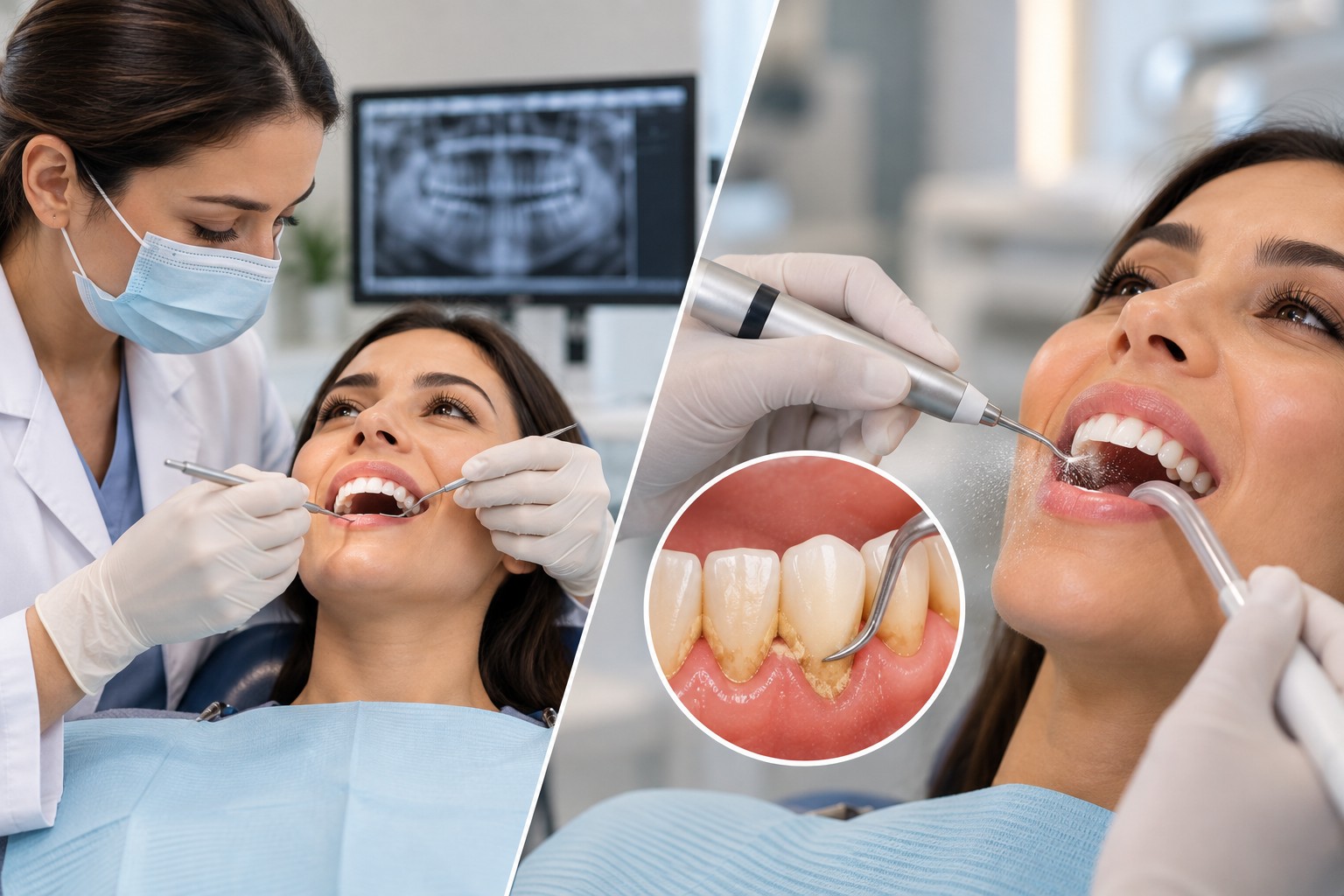
- Professional cleaning
- Treatment for gum disease
- A dental filling
- Repair or replacement of a damaged restoration
- Treatment for enamel wear
- A dental crown
- Root canal treatment when the pulp is irreversibly inflamed or infected
The most important step is identifying what’s causing the sensitivity rather than simply trying to hide the symptom.
Protect Your Teeth From Sensitivity
A few everyday habits can help reduce your risk:
Use a soft toothbrush: Brush gently rather than scrubbing aggressively.
Limit acidic drinks: Reduce frequent consumption of soft drinks, energy drinks, and highly acidic beverages.
Don’t over-whiten: Follow professional advice when using whitening products.
Clean between your teeth: Floss or use an interdental cleaner regularly.
Don’t ignore symptoms: Persistent sensitivity is worth discussing with a dental professional.
Get Your Sensitive Teeth Checked in Dubai
Sensitive teeth can be caused by something as simple as enamel wear, but they can also indicate cavities, gum recession, cracks, or deeper dental problems.
The key is not to guess.
At RUH Al Barsha Dental Clinic, our dental team can examine the cause of your sensitivity and recommend a treatment plan based on your individual oral health.
If hot coffee, cold water, or ice cream has become something you dread, it’s time to find out why.
Book an appointment with RUH Al Barsha Dental Clinic today and take the first step toward comfortable, healthier teeth.
Your symptoms need an individual assessment.
Dental symptoms can have more than one cause. A dentist may need an examination, X-ray or scan before deciding which treatment is appropriate.
Learn more before your consultation.
Explore the relevant treatment guide for suitability, common reasons patients ask about it, the care journey and questions to discuss with your dentist.
Explore Treatment Guides