Bleeding Gums When Brushing? Here’s What Your Dentist Wants You to Know
Bleeding while brushing can be a sign of gum irritation or other dental problems. Learn common causes, warning signs and when to speak with your dentist.
Bleeding while brushing can be a sign of gum irritation or other dental problems. Learn common causes, warning signs and when to speak with your dentist.
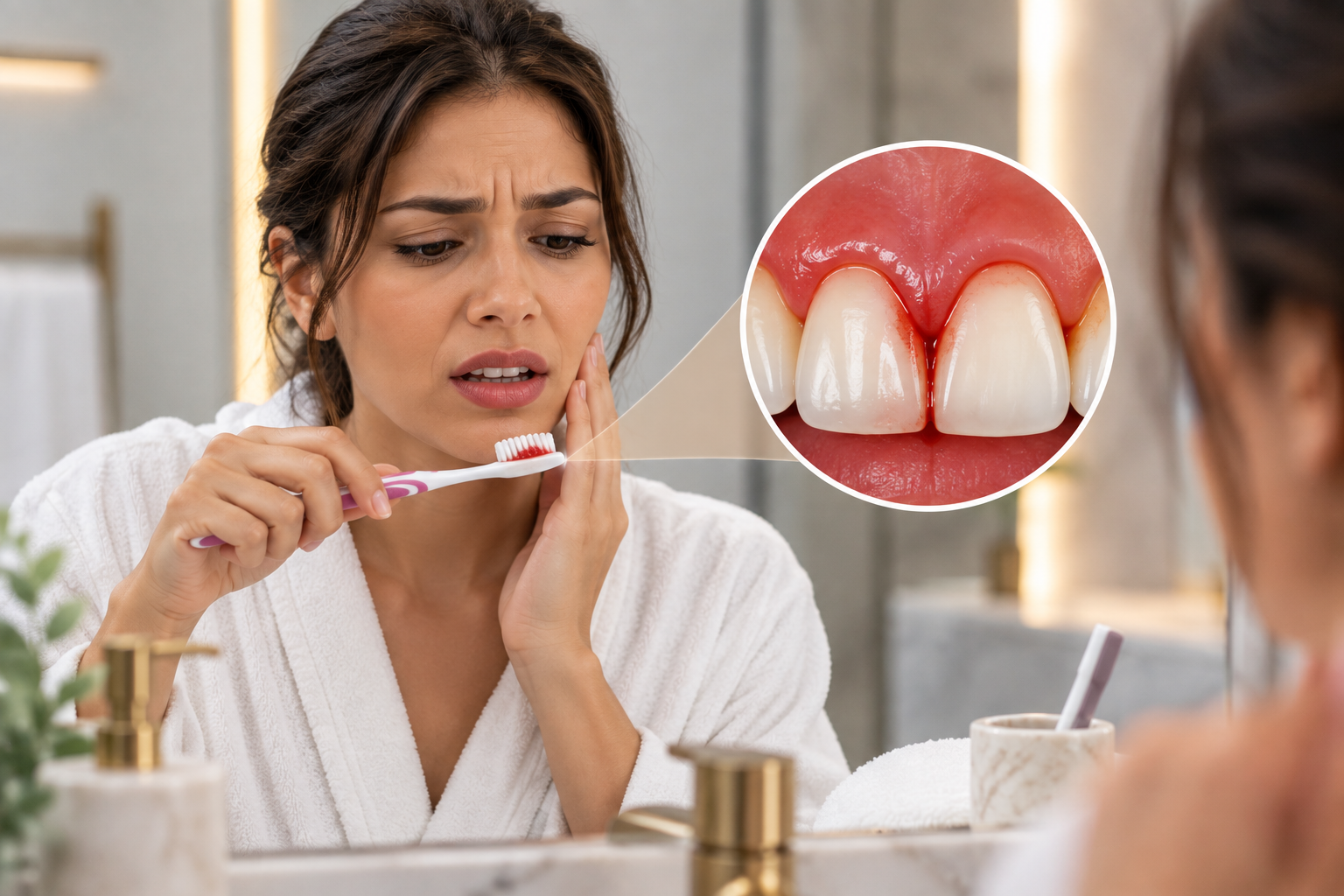
You notice a little blood in the sink after brushing your teeth. It doesn’t hurt, so you rinse your mouth and carry on with your day.
Sound familiar?
Many people assume that bleeding gums are simply caused by brushing too hard or using a firm toothbrush. While aggressive brushing can irritate your gums, regular bleeding when brushing isn’t something you should ignore. In many cases, it’s an early warning sign that your gums need more attention.
The good news is that gum problems are often much easier to manage when they’re identified early. Here’s what your bleeding gums could be telling you and when it’s time to see a dentist.
Why Do Gums Bleed While Brushing?
Healthy gums generally shouldn’t bleed during normal brushing or flossing.
One of the most common reasons for bleeding gums is plaque buildup. Plaque is a sticky layer of bacteria that constantly forms on your teeth. If it isn’t removed properly through brushing and cleaning between your teeth, it can irritate the gum tissue.
Your gums may become:
- Red or darker than usual
- Swollen
- Tender
- Sensitive
- More likely to bleed while brushing or flossing
Other possible causes include brushing too aggressively, using an unsuitable toothbrush, hormonal changes, certain medications, smoking, or other underlying health conditions.
If bleeding happens repeatedly, however, it’s worth having your gums examined rather than assuming your toothbrush is the problem.
Plaque vs Tartar: What’s the Difference?
Understanding plaque and tartar can help explain why regular brushing sometimes isn’t enough.
Plaque is a soft, sticky film containing bacteria. It can usually be removed with proper brushing and flossing.
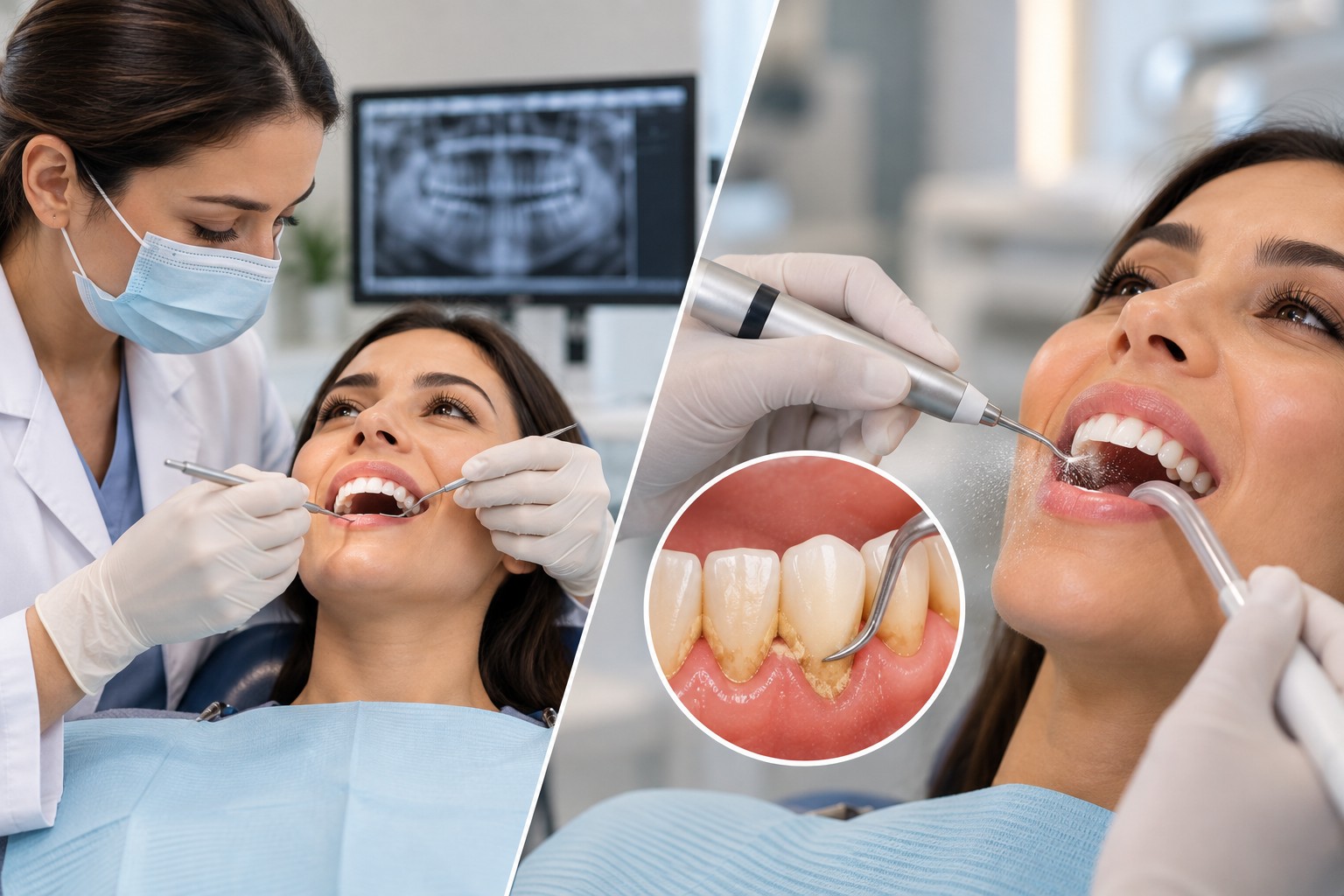
Tartar, also called dental calculus, is plaque that has hardened over time. Once tartar forms, a regular toothbrush cannot effectively remove it.
Tartar can accumulate around the gumline and create an environment where bacteria continue to irritate the gums. This is one reason professional dental cleaning is an important part of maintaining healthy gums.
If you already have significant tartar buildup, trying to scrub harder at home isn’t the answer. In fact, brushing too aggressively may make your gums more irritated.
Could It Be Gingivitis?
One of the most common causes of bleeding gums is gingivitis, the early stage of gum disease.
Gingivitis occurs when plaque buildup causes inflammation of the gums. You might notice bleeding while brushing, redness, swelling, or persistent bad breath.
At this stage, the condition can often be improved with professional dental care and better daily oral hygiene.
This is why bleeding gums shouldn’t automatically be considered “normal.” It can be your body’s way of telling you that something needs attention.
What Happens If Gum Disease Gets Worse?
If gingivitis is left untreated, it can progress to periodontitis, a more advanced form of gum disease.
Periodontitis can affect the tissues and bone supporting your teeth. Over time, it may contribute to gum recession, loose teeth, and eventually tooth loss.
Warning signs can include:
- Persistent gum bleeding
- Gums pulling away from the teeth
- Loose or shifting teeth
- Persistent bad breath
- Pus around the gums
- Changes in the way your teeth fit together when biting
The earlier gum disease is identified, the easier it generally is to manage.
When Is Bleeding From Your Gums Serious?
An occasional small amount of bleeding may not indicate a major problem, particularly if you’ve recently started flossing again after a long break.
However, repeated or heavy bleeding deserves professional attention.
You should consider booking a dental appointment if your gums regularly bleed when brushing or flossing, particularly if you also have swelling, pain, persistent bad breath, gum recession, or loose teeth.
Sudden, heavy bleeding that doesn’t stop, especially after an injury or dental procedure, requires prompt medical or dental assessment.
Can Bleeding Gums Be Reversed?
In many cases, early gum inflammation can be improved significantly with the right care.
The first step is finding out what’s causing the bleeding.
Your dentist may examine your gums, check for plaque and tartar, assess gum health, and recommend professional cleaning or other periodontal treatment if necessary.
Once the underlying cause is addressed, maintaining good oral hygiene at home becomes extremely important.
And don’t make the mistake of stopping brushing because your gums bleed. Avoiding the area can allow more plaque to accumulate. Instead, use a soft-bristled toothbrush and gentle technique, unless your dentist recommends something different.
How Professional Dental Cleaning Can Help
If plaque has hardened into tartar, professional cleaning may be necessary.
During a cleaning appointment, dental professionals can remove accumulated plaque and tartar from areas that are difficult to clean effectively at home.
Depending on your gum condition, your dentist may recommend routine cleaning or a more targeted periodontal treatment.
A professional cleaning isn’t simply about making your teeth look cleaner. Keeping plaque and tartar under control is an important part of maintaining healthy gums.
6 Simple Ways to Protect Your Gums
Healthy gums start with consistent daily habits.
1. Brush Twice a Day
Use a soft-bristled toothbrush and fluoride toothpaste. Brush gently rather than scrubbing aggressively.
2. Clean Between Your Teeth
Floss or use an appropriate interdental cleaner every day to remove plaque from between your teeth.
3. Don’t Ignore Bleeding
If your gums continue to bleed, arrange a dental examination rather than simply accepting it as normal.
4. Limit Sugary Foods and Drinks
Frequent sugar exposure can contribute to plaque-related dental problems.
5. Avoid Smoking
Smoking can negatively affect gum health and may make it harder for your gums to heal.
6. Schedule Regular Dental Visits
Routine examinations allow your dentist to identify gum problems before they become more complicated.
Get Your Bleeding Gums Checked at RUH Al Barsha Dental Clinic
Bleeding gums may seem like a minor issue, but they can sometimes be an early sign of gum disease. The sooner you understand what’s causing the bleeding, the sooner you can take appropriate action.
At RUH Al Barsha Dental Clinic, our dental team provides comprehensive gum examinations, professional teeth cleaning, and treatment for gum-related problems. We’ll assess your oral health and recommend a treatment plan based on your individual needs.
If your gums bleed regularly when you brush or floss, don’t wait until the problem becomes painful.
Book a gum check-up at RUH Al Barsha Dental Clinic today and take the first step toward healthier gums and a healthier smile.
Your symptoms need an individual assessment.
Dental symptoms can have more than one cause. A dentist may need an examination, X-ray or scan before deciding which treatment is appropriate.
Learn more before your consultation.
Explore the relevant treatment guide for suitability, common reasons patients ask about it, the care journey and questions to discuss with your dentist.
Explore Treatment Guides