Why Are My Gums Bleeding? 7 Causes You Shouldn’t Ignore
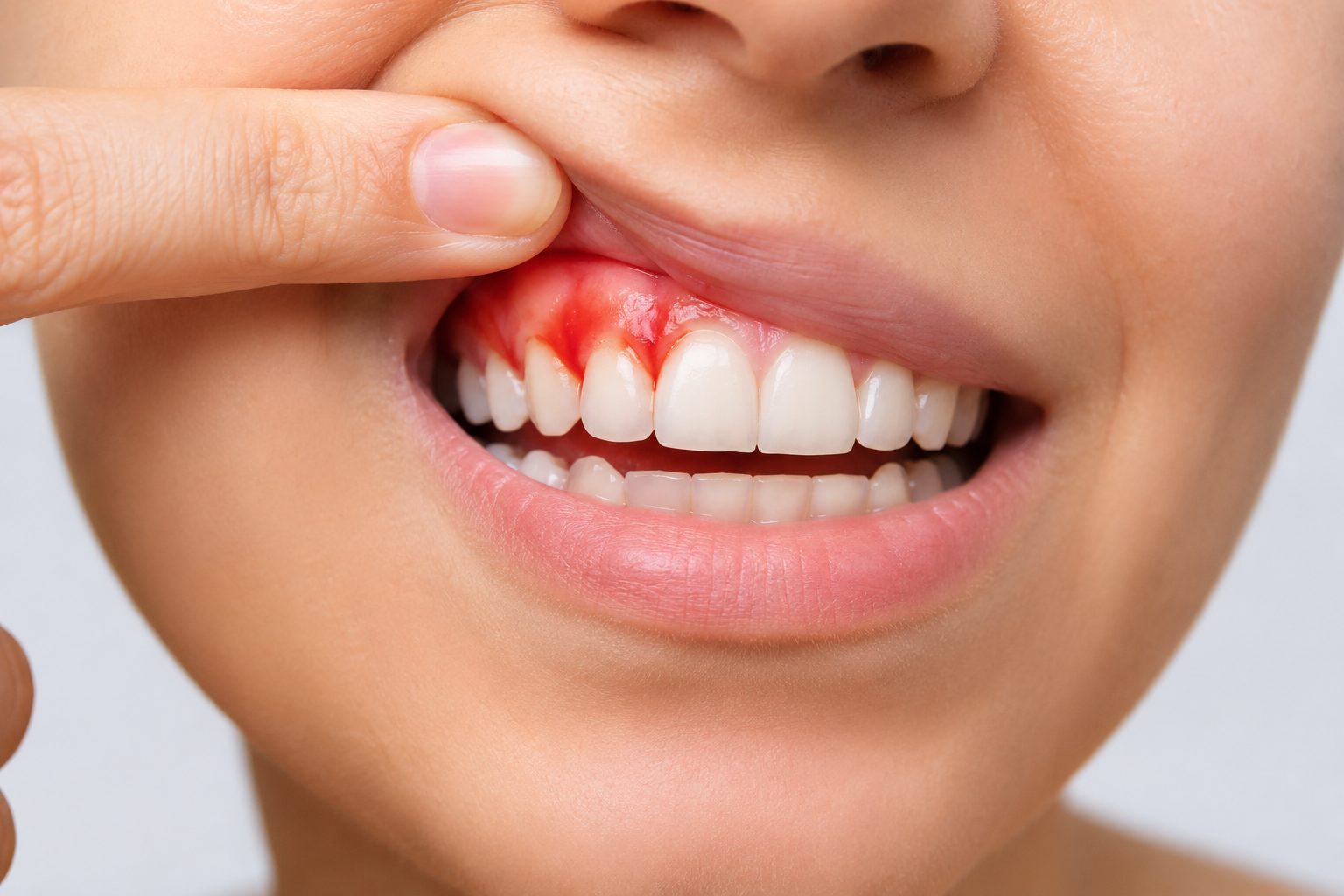
Have you noticed blood in the sink while brushing or flossing your teeth? While occasional gum bleeding may seem harmless, it is often your body's way of signaling that something is wrong.
Have you noticed blood in the sink while brushing or flossing your teeth? While occasional gum bleeding may seem harmless, it is often your body's way of signaling that something is wrong.
Have you noticed blood in the sink while brushing or flossing your teeth? While occasional gum bleeding may seem harmless, it is often your body’s way of signaling that something is wrong. Healthy gums should not bleed during routine oral care, and ignoring this warning sign can lead to more serious dental problems over time.
Why Do Gums Bleed?
Your gums play a crucial role in supporting and protecting your teeth. When they become inflamed or irritated, bleeding may occur during brushing, flossing, or even while eating certain foods.
1. Gingivitis: The Earliest Stage of Gum Disease
One of the leading causes of bleeding gums is gingivitis, which develops when plaque accumulates along the gumline. Symptoms include bleeding while brushing, red or swollen gums, tender gum tissue, and persistent bad breath. The good news is that gingivitis is reversible with proper oral hygiene and professional dental cleaning.
2. Poor Oral Hygiene
Failing to brush and floss effectively allows plaque and bacteria to build up. Over time, this hardens into tartar, which cannot be removed by brushing alone.
3. Aggressive Brushing or Flossing
Using a hard-bristled toothbrush or applying excessive pressure can damage delicate gum tissue. Use a soft-bristled toothbrush, brush gently using circular motions, and floss carefully.
4. Periodontitis (Advanced Gum Disease)
When gingivitis is left untreated, it can progress to periodontitis, affecting the supporting structures of the teeth including bone and connective tissues. Symptoms include persistent bleeding, gum recession, loose teeth, chronic bad breath, and pain while chewing. Without treatment, periodontitis can lead to tooth loss.
5. Vitamin Deficiencies
Low levels of vitamin C and vitamin K may weaken gum tissue and affect healing. A balanced diet rich in fruits and vegetables supports healthy gums.
6. Hormonal Changes
Hormonal fluctuations during pregnancy, puberty, menstruation, and menopause can increase gum sensitivity.
7. Certain Medical Conditions and Medications
Diabetes, blood clotting disorders, leukemia, certain heart medications, and blood-thinning medications can increase the risk of gum bleeding.
When Should You See a Dentist?
Schedule a dental appointment if you experience bleeding lasting more than a few days, swollen or painful gums, gum recession, loose teeth, persistent bad breath, or pus around the gums.
Effective Bleeding Gums Treatment Options
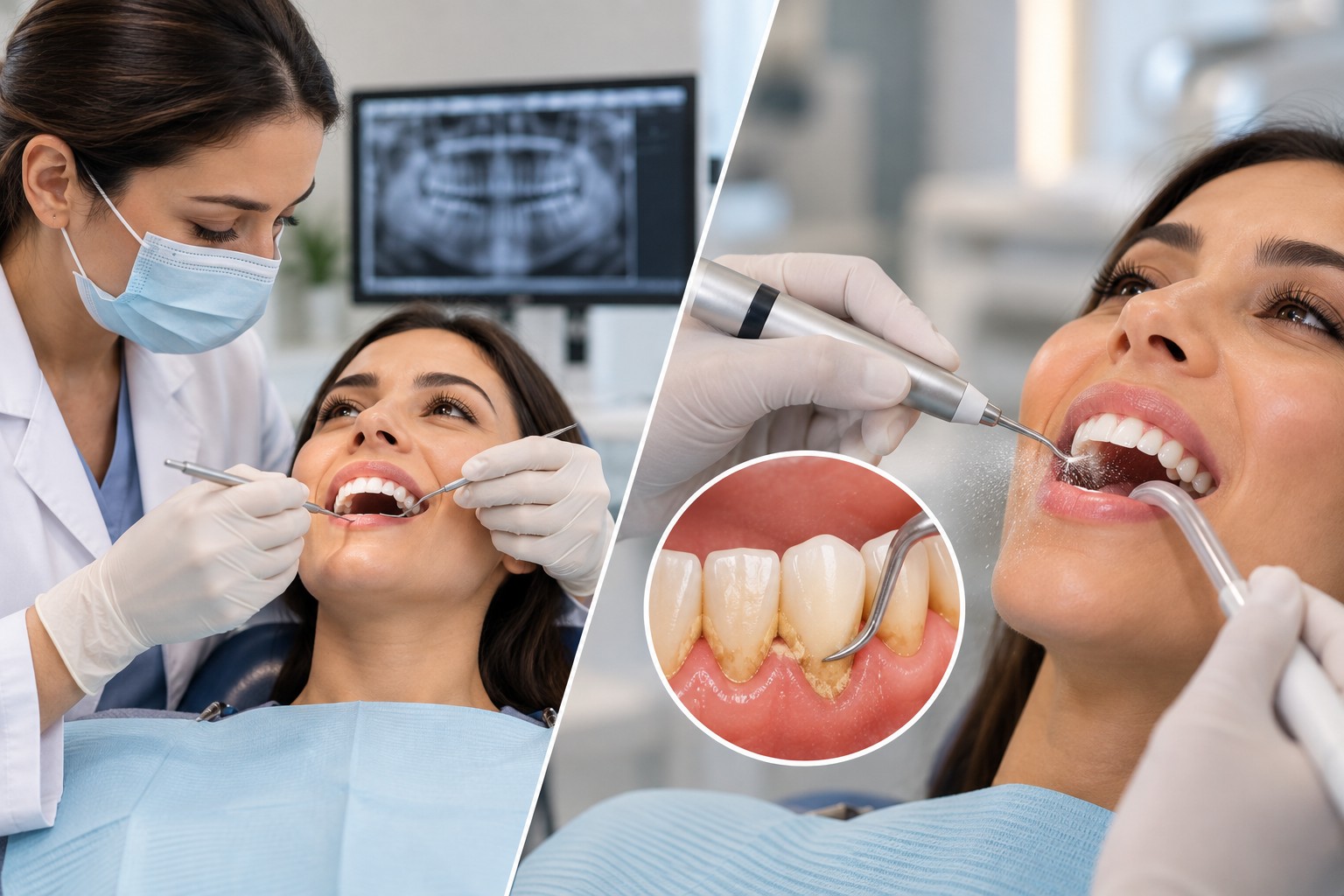
Professional Dental Cleaning
Removing plaque and tartar buildup helps reduce inflammation and allows gums to heal.
Scaling and Root Planing
Deep cleaning procedures to remove bacteria beneath the gumline.
Improved Oral Hygiene
Specific brushing and flossing techniques to improve gum health.
Periodontal Therapy
Advanced gum disease may require specialized treatment from a periodontist.
Final Thoughts
Bleeding gums should never be ignored. Recognizing early gum disease symptoms and seeking timely care can help prevent long-term complications, including tooth loss. If you’re experiencing persistent gum bleeding, consult an experienced periodontist in Dubai.
Your symptoms need an individual assessment.
Dental symptoms can have more than one cause. A dentist may need an examination, X-ray or scan before deciding which treatment is appropriate.
Learn more before your consultation.
Explore the relevant treatment guide for suitability, common reasons patients ask about it, the care journey and questions to discuss with your dentist.
Explore Treatment Guides