5 Warning Signs You May Need a Root Canal (Not Just a Filling)
A toothache can be easy to dismiss. Maybe you assume you've eaten something too cold, brushed too hard, or simply have a small cavity that needs a filling.
A toothache can be easy to dismiss. Maybe you assume you've eaten something too cold, brushed too hard, or simply have a small cavity that needs a filling.
A toothache can be easy to dismiss. Maybe you assume you’ve eaten something too cold, brushed too hard, or simply have a small cavity that needs a filling.
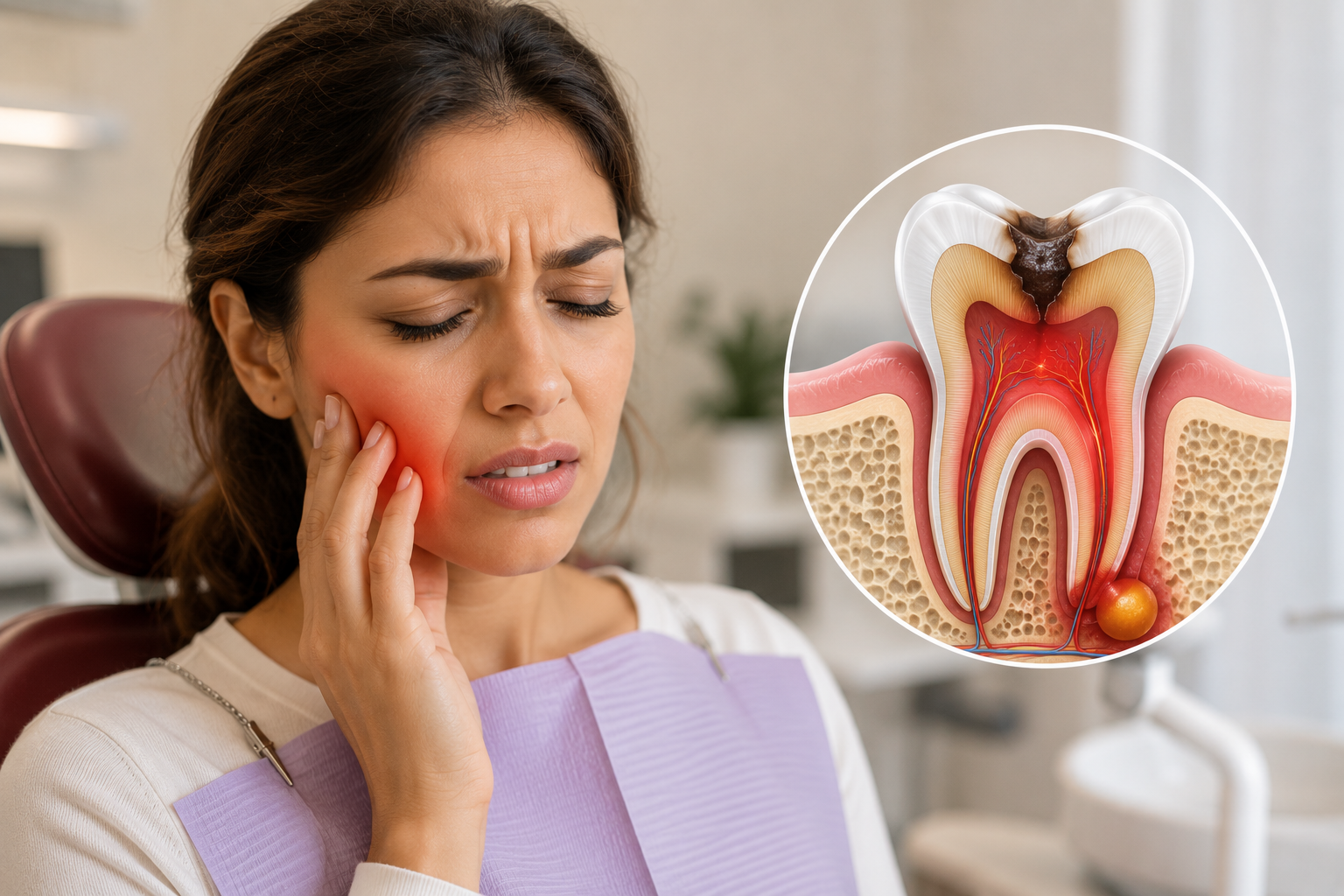
Sometimes, that’s exactly what it is. But in other cases, tooth pain can be a sign that decay or damage has reached the pulp—the soft tissue inside your tooth. When the pulp becomes infected or severely inflamed, a simple filling may no longer be enough. Your dentist may recommend a root canal treatment.
Here are five warning signs you shouldn’t ignore.
1. Severe or Persistent Toothache
One of the most common warning signs is tooth pain that doesn’t go away. You may experience a dull ache, throbbing pain, or sharp discomfort when biting down. If you’ve had tooth pain for several days, it’s time to have the tooth examined.
2. Prolonged Sensitivity to Hot or Cold
The important detail is how long the pain lasts. If the pain lingers for a while after the temperature stimulus is removed, it can be a sign that the nerve inside the tooth is significantly irritated or inflamed.
3. Pain When Biting or Chewing
Pain when chewing can occur when decay has progressed deeply, when the tooth is cracked or damaged, or when inflammation has developed around the root.
4. Swollen or Tender Gums Near the Tooth
When bacteria enter the inner part of a severely damaged tooth, an infection can develop. You may notice red or swollen gums, tenderness, a pimple-like bump on the gum, a bad taste, pus or drainage, or swelling around the face or jaw.
5. A Darkened or Discoloured Tooth
A tooth that becomes noticeably darker or grey may indicate that the pulp inside has been damaged or has lost its vitality. A tooth with a damaged or dying nerve may not always hurt.
Why a Filling May Not Be Enough
If bacteria have reached the inner pulp and the tissue is infected, simply placing a filling won’t remove the source of the problem. A root canal treatment involves removing the infected pulp, cleaning and disinfecting the inside of the tooth, and sealing it. The goal is simple: save the natural tooth whenever possible.
Does a Root Canal Hurt?
Modern root canal treatment is performed using local anesthesia, and most patients report that the procedure is much more comfortable than they expected.
Can You Avoid a Root Canal?
The best way to reduce your risk is to identify and treat dental problems early. Brush twice a day, clean between your teeth, limit sugary snacks, wear a mouthguard during contact sports, and visit your dentist regularly.
Protect Your Natural Tooth at RUH Al Barsha Dental Clinic
At RUH Al Barsha Dental Clinic, our dental team provides comprehensive examinations and restorative treatments, including root canal therapy. Not every toothache needs a root canal—and not every damaged tooth can be safely treated with a simple filling. Book your appointment today.
Your symptoms need an individual assessment.
Dental symptoms can have more than one cause. A dentist may need an examination, X-ray or scan before deciding which treatment is appropriate.
Learn more before your consultation.
Explore the relevant treatment guide for suitability, common reasons patients ask about it, the care journey and questions to discuss with your dentist.
Explore Treatment Guides