How Long Do Dental Implants Last? A Complete Guide
Missing teeth can affect more than just your appearance. They can impact your ability to eat comfortably, speak clearly, and maintain overall oral health. Fortunately, dental implants have become one of the most reliable and long-lasting tooth replacement options available today.
Missing teeth can affect more than just your appearance. They can impact your ability to eat comfortably, speak clearly, and maintain overall oral health. Fortunately, dental implants have become one of the most reliable and long-lasting tooth replacement options available today.
Missing teeth can affect more than just your appearance. They can impact your ability to eat comfortably, speak clearly, and maintain overall oral health. Fortunately, dental implants have become one of the most reliable and long-lasting tooth replacement options available today.
One of the most common questions patients ask is: “How long do dental implants last?” The answer depends on several factors, including oral hygiene, lifestyle habits, and the quality of care.
What Are Dental Implants?
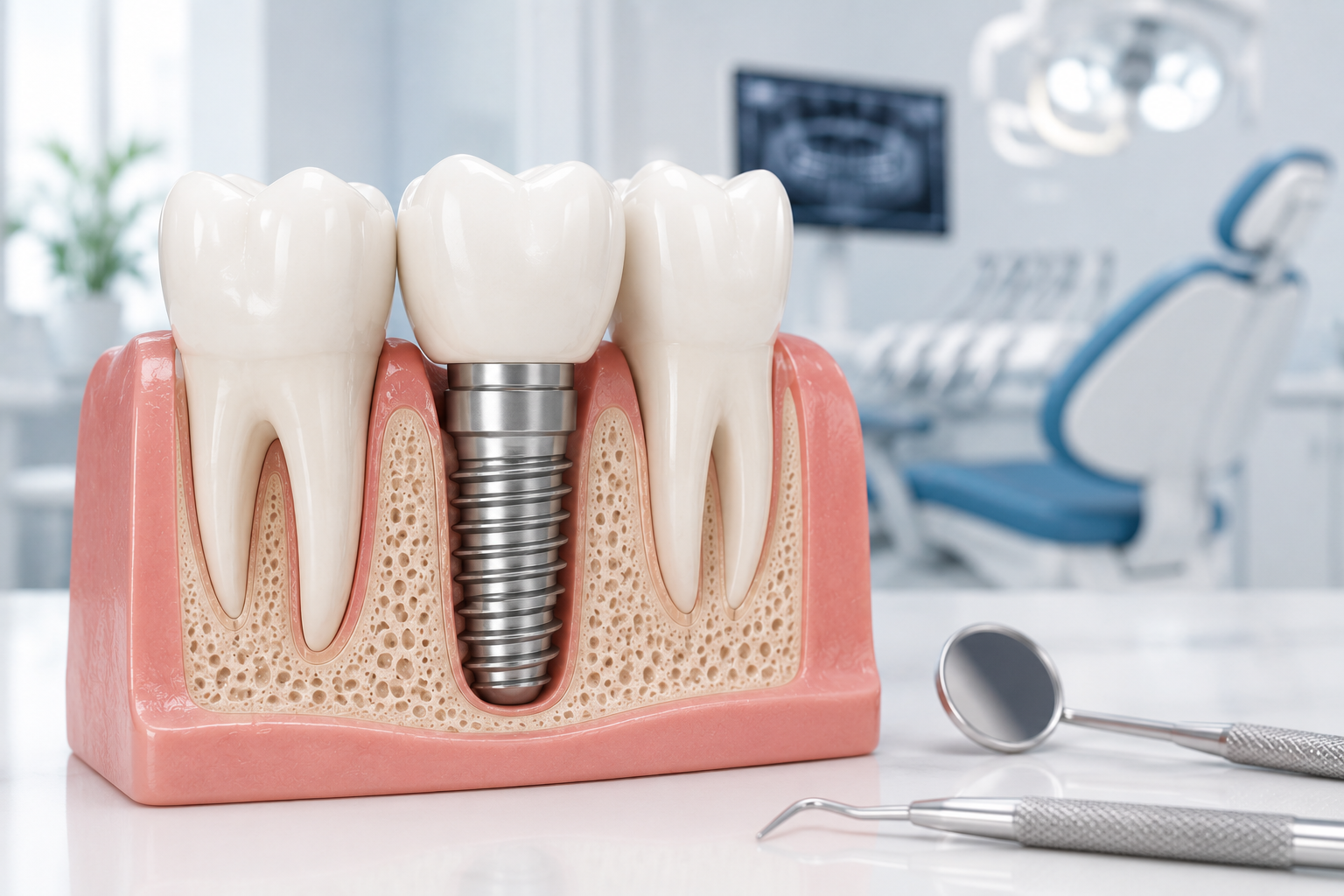
Dental implants are artificial tooth roots made from biocompatible titanium that are surgically placed into the jawbone. Once the implant integrates with the bone through osseointegration, it provides a stable foundation for a crown, bridge, or denture.
How Long Do Dental Implants Last?
The implant fixture itself can often last 20 years or more and, in many cases, a lifetime with proper care. The dental crown attached to the implant typically lasts between 10 and 15 years before it may require replacement.
Average Lifespan of Dental Implant Components
- Implant post: 20+ years or lifetime
- Implant crown: 10–15 years
- Implant bridge: 10–15 years
- Implant-supported dentures: 10–15 years with proper maintenance
Why Do Dental Implants Last So Long?
The titanium post fuses directly with the jawbone, creating exceptional stability. Unlike removable dentures, implants do not shift or move. They also help stimulate the jawbone, preventing bone loss.
Factors That Affect Implant Lifespan
1. Oral Hygiene Habits
Poor oral hygiene can lead to plaque buildup around the implant, increasing the risk of peri-implantitis. Brush twice daily, floss regularly, and attend routine check-ups.
2. Smoking
Smoking significantly increases the risk of implant complications because it reduces blood flow to the gums and slows healing.
3. Bone Quality and Density
Strong jawbone support is crucial for implant stability. If bone loss has occurred, bone grafting may be recommended.
4. Teeth Grinding (Bruxism)
Chronic teeth grinding places excessive force on implants. A custom night guard may be recommended.
5. Regular Dental Visits
Routine professional examinations allow dentists to detect and address minor issues early.
Signs Your Dental Implant May Need Attention
Watch for persistent pain around the implant, swollen or bleeding gums, implant mobility, difficulty chewing, and gum recession.
Dental Implants vs Other Tooth Replacement Options
Dental Implants
Lifespan: 20+ years, preserve jawbone, look and feel natural, high stability.
Dental Bridges
Lifespan: 5–15 years, may require modification of adjacent teeth, does not prevent bone loss.
Removable Dentures
Lifespan: 5–10 years, less stable, may require adjustments, does not stimulate jawbone.
How to Make Your Dental Implants Last Longer
Brush twice daily, floss around implant-supported restorations, avoid smoking, attend regular dental cleanings, wear a night guard if you grind your teeth, and follow all post-treatment instructions.
Final Thoughts
Dental implants offer unmatched stability, comfort, and longevity. While the attached crown may eventually require replacement, the implant itself can often last a lifetime when properly maintained. If you’re exploring dental implants in Dubai, consult with an experienced dental professional.
Your symptoms need an individual assessment.
Dental symptoms can have more than one cause. A dentist may need an examination, X-ray or scan before deciding which treatment is appropriate.
Learn more before your consultation.
Explore the relevant treatment guide for suitability, common reasons patients ask about it, the care journey and questions to discuss with your dentist.
Explore Treatment Guides