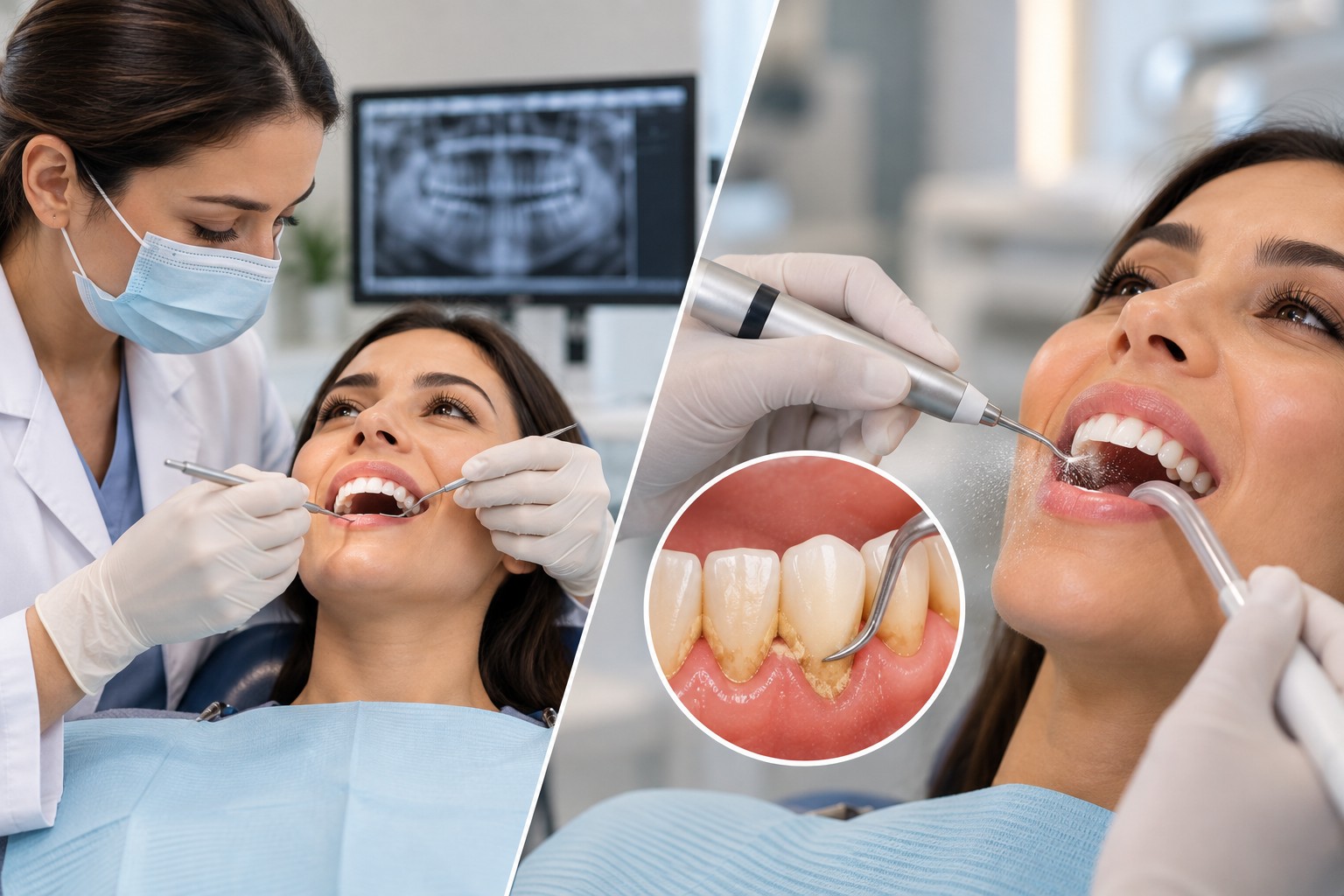
Root Canal vs Tooth Extraction: Which Option Is Best?
When a tooth becomes severely damaged, infected, or decayed, patients are often faced with a difficult decision: should they undergo a root canal treatment or have the tooth extracted?
When a tooth becomes severely damaged, infected, or decayed, patients are often faced with a difficult decision: should they undergo a root canal treatment or have the tooth extracted?
When a tooth becomes severely damaged, infected, or decayed, patients are often faced with a difficult decision: should they undergo a root canal treatment or have the tooth extracted? Both procedures can relieve pain and address dental infections, but they serve very different purposes.
In many cases, dentists prefer to save a damaged tooth whenever possible because preserving natural teeth offers significant long-term benefits.
Understanding Root Canal Treatment
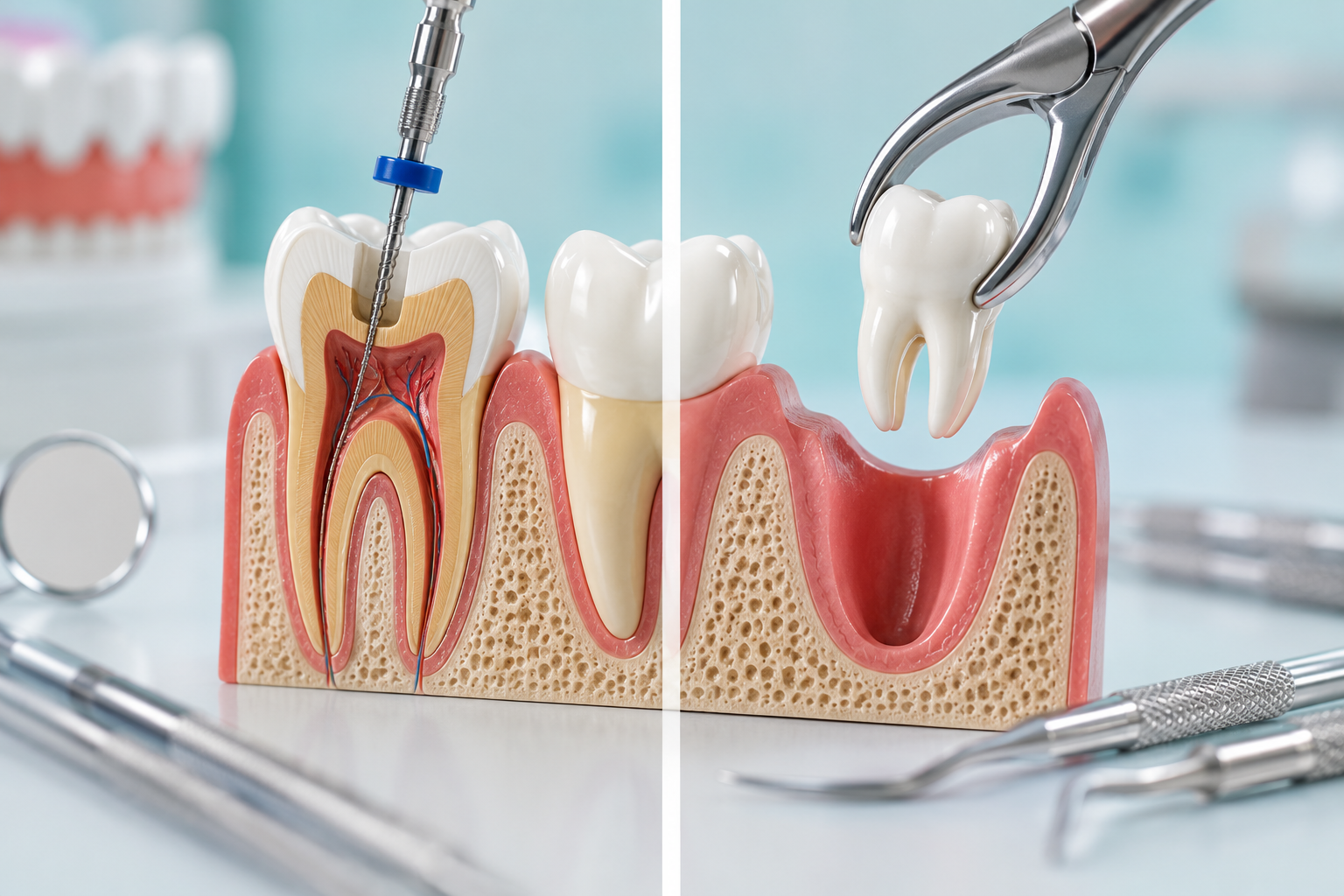
A root canal is a dental procedure used to treat infection or damage within the pulp of a tooth. During the procedure, the dentist removes the infected pulp, cleans and disinfects the root canals, fills them with a special material, and restores the tooth with a filling or crown.
The primary goal is to save the damaged tooth while eliminating pain and infection.
Understanding Tooth Extraction
A tooth extraction involves removing the entire tooth from its socket. Dentists generally recommend extraction when the tooth is too severely damaged to be restored. After extraction, replacement options such as dental implants, bridges, or dentures may be recommended.
When Is a Root Canal Recommended?
Deep Tooth Decay
If decay has reached the pulp but enough healthy tooth structure remains, a root canal can eliminate infection while preserving the tooth.
Cracked or Injured Teeth
Trauma may damage the internal pulp without affecting the entire tooth.
Persistent Tooth Pain
Severe sensitivity, lingering discomfort, and swelling may indicate pulp infection.
When Is Tooth Extraction Recommended?
Severe Structural Damage
If a tooth is fractured below the gumline or lacks sufficient structure for restoration.
Advanced Gum Disease
Severe periodontal disease can weaken the supporting tissues around a tooth.
Extensive Infection
Infection may be too advanced for successful root canal treatment.
Impacted Teeth
Wisdom teeth and other impacted teeth often require extraction.
Root Canal vs Tooth Extraction: Key Differences
Preserving Natural Teeth
Natural teeth provide better chewing efficiency, natural appearance, preservation of jawbone structure, and proper alignment of surrounding teeth.
Treatment Complexity
Root canal treatment usually requires one or two appointments. Extraction may appear simpler, but replacing the missing tooth involves additional procedures.
Long-Term Costs
While extraction may initially seem less expensive, the cost of replacing the missing tooth can increase overall expenses.
Can a Root Canal Last Forever?
With proper care, a root canal-treated tooth can last for many years and sometimes a lifetime. Success depends on good oral hygiene, regular dental check-ups, and proper crown placement.
What Happens If a Missing Tooth Isn’t Replaced?
Leaving a gap can lead to shifting of neighboring teeth, bite misalignment, difficulty chewing, bone loss in the jaw, and changes in facial appearance.
Which Option Is Best?
Dentists aim to save a damaged tooth whenever possible. A root canal may be best if the tooth can be restored, infection is localized, and sufficient tooth structure remains. An extraction may be recommended if the tooth is beyond repair, severe gum disease is present, or the tooth threatens surrounding oral health.
Final Thoughts
Whenever possible, dentists strive to save a damaged tooth because preserving natural teeth supports better long-term oral health. If you’re considering a root canal in Dubai or need advice about tooth extraction, consulting an experienced dental professional is the best way to determine the right treatment.
Your symptoms need an individual assessment.
Dental symptoms can have more than one cause. A dentist may need an examination, X-ray or scan before deciding which treatment is appropriate.
Learn more before your consultation.
Explore the relevant treatment guide for suitability, common reasons patients ask about it, the care journey and questions to discuss with your dentist.
Explore Treatment Guides