Teeth Whitening in Dubai: What Works and What Doesn’t?
A bright, white smile is often associated with confidence, health, and attractiveness. However, over time, teeth can become stained due to coffee, tea, red wine, smoking, aging, and certain medications.
A bright, white smile is often associated with confidence, health, and attractiveness. However, over time, teeth can become stained due to coffee, tea, red wine, smoking, aging, and certain medications.
A bright, white smile is often associated with confidence, health, and attractiveness. However, over time, teeth can become stained due to coffee, tea, red wine, smoking, aging, and certain medications. As a result, many people search for effective whitening solutions to restore their smile.
With countless products and treatments available today, it can be difficult to determine what actually works and what doesn’t. If you’re considering teeth whitening in Dubai, understanding the different options can help you make an informed decision.
Why Do Teeth Become Discoloured?
Common causes include coffee and tea consumption, smoking, red wine, poor oral hygiene, aging and enamel wear, certain medications, and excessive fluoride exposure.
Some stains affect only the surface, while others penetrate deeper into the enamel.
What Works: Professional Teeth Whitening
1. In-Clinic Professional Whitening
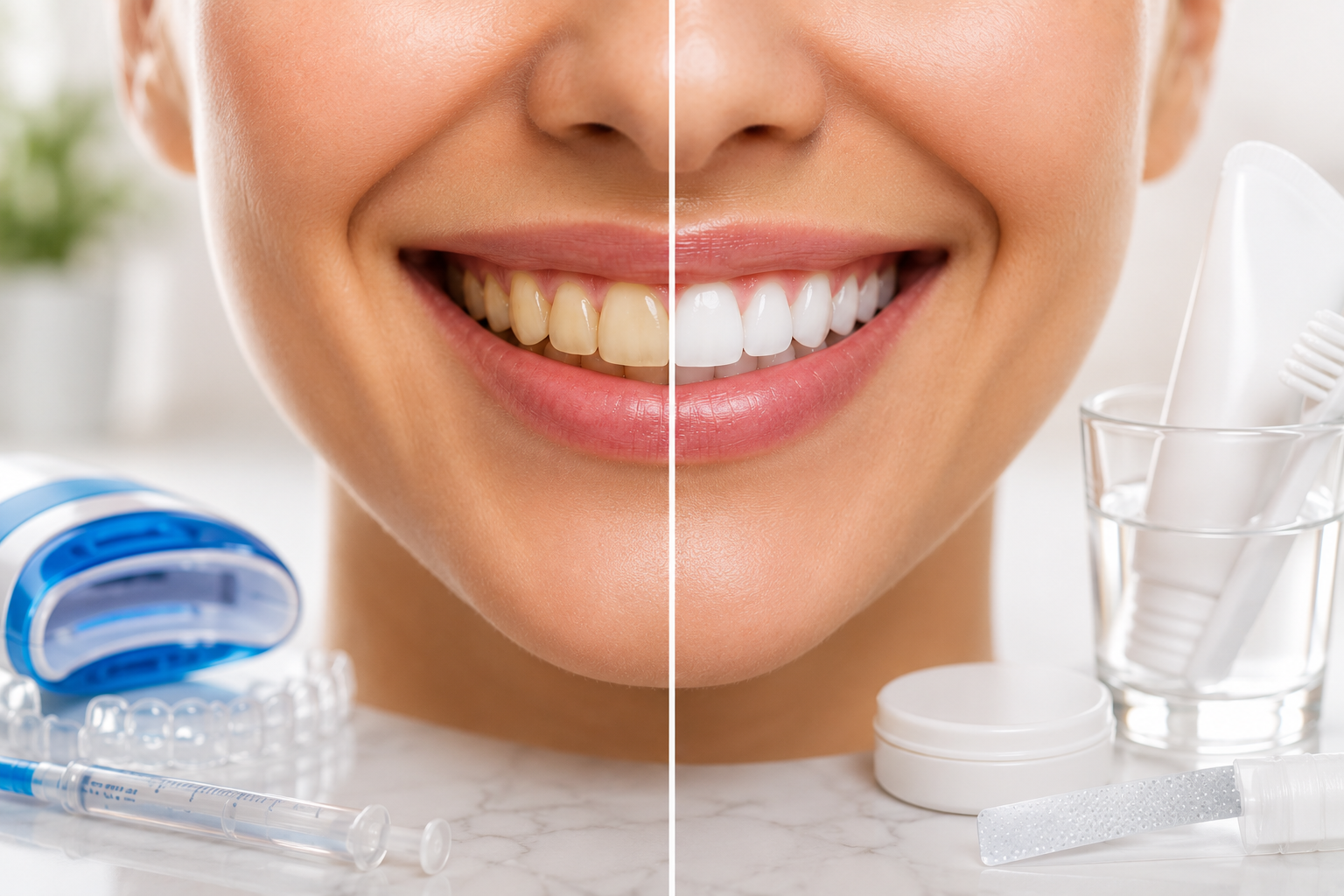
Professional whitening performed by a dentist is widely considered the most effective and safest method. A high-strength whitening gel is applied under controlled conditions, with advanced systems using specialized lights.
Benefits: faster and more noticeable results, customized treatment, safe application, reduced risk of gum irritation, long-lasting improvement.
2. Custom Take-Home Whitening Trays
Dentists provide customized trays that fit precisely over your teeth, used at home with professional-grade gel over several days or weeks. They offer even distribution, more effectiveness than over-the-counter products, and convenient at-home treatment.
3. Professional Dental Cleaning Before Whitening
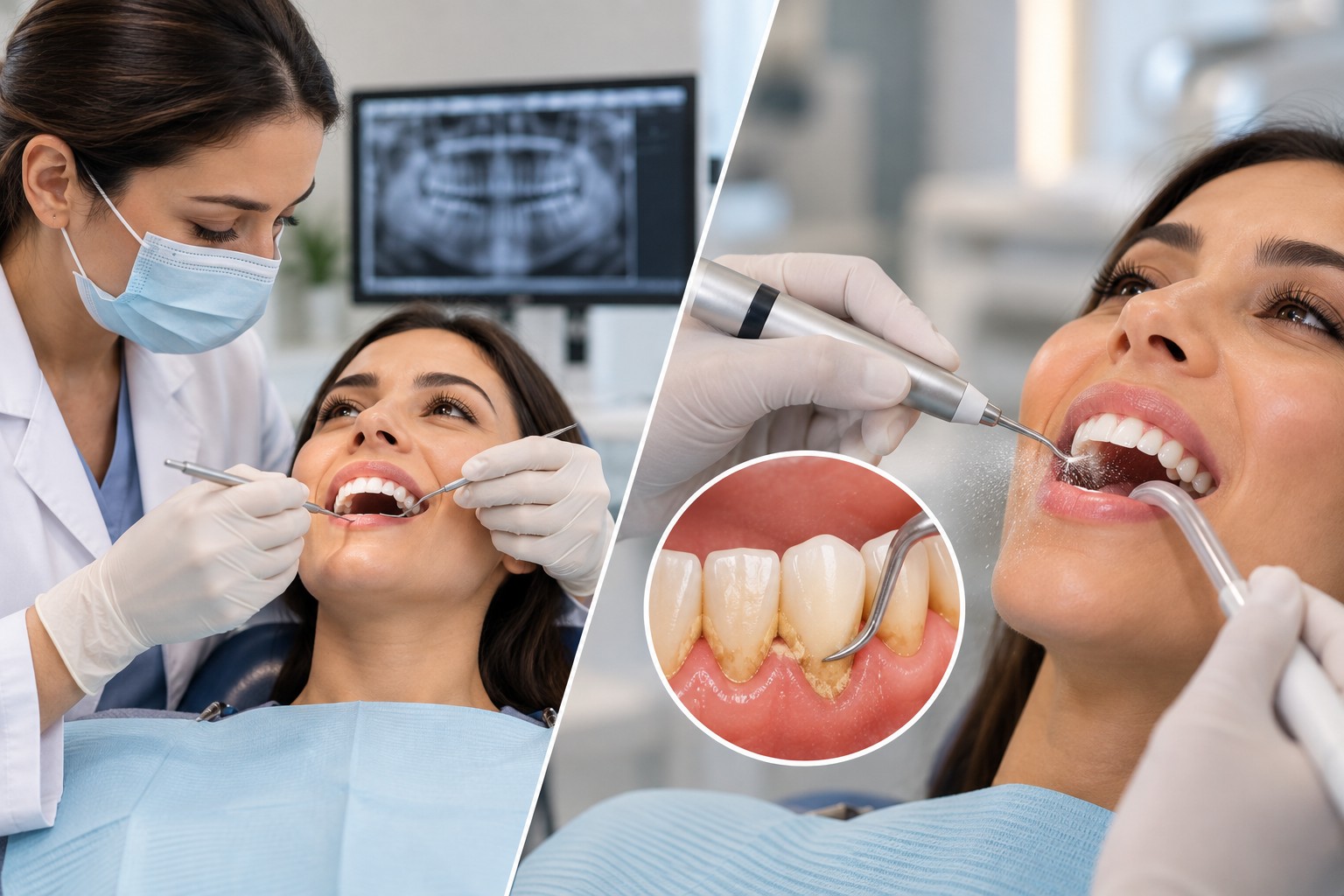
Plaque and tartar buildup can prevent whitening agents from working effectively. A professional cleaning helps remove surface deposits.
What Doesn’t Work Well
1. Whitening Toothpaste Alone
Whitening toothpaste can help remove minor surface stains but cannot significantly change the natural color of your teeth. Results often take months to become noticeable.
2. DIY Home Remedies
Social media whitening hacks involving baking soda, lemon juice, and charcoal can damage tooth enamel and increase sensitivity. Risks include enamel erosion, increased sensitivity, gum irritation, and uneven results.
3. Over-the-Counter Whitening Strips
Whitening strips can provide some improvement for mild stains, but results are generally less dramatic than professional treatments. Common drawbacks include uneven whitening, temporary results, and increased sensitivity.
Factors That Influence Whitening Results
Type of Stain
Surface stains respond well to whitening. Internal discoloration may require alternative treatments such as veneers.
Age
As people age, enamel naturally becomes thinner, revealing darker dentin.
Oral Health
Healthy teeth and gums respond better to whitening. Existing cavities or gum disease should be treated first.
How Long Do Whitening Results Last?
Patients who avoid staining foods, maintain good oral hygiene, and attend regular dental cleanings often enjoy results for one to three years.
Is Professional Whitening Safe?
When performed by qualified dental professionals, teeth whitening is considered safe and effective. Some patients experience temporary sensitivity that usually resolves within a few days.
Choosing the Best Teeth Whitening Treatment
For patients seeking dramatic, predictable, and long-lasting improvements, professional whitening remains the gold standard. Consulting with an experienced dental professional is the first step toward finding the right solution.
Your symptoms need an individual assessment.
Dental symptoms can have more than one cause. A dentist may need an examination, X-ray or scan before deciding which treatment is appropriate.
Learn more before your consultation.
Explore the relevant treatment guide for suitability, common reasons patients ask about it, the care journey and questions to discuss with your dentist.
Explore Treatment Guides